.
.





Starting an Oregon LLC is more than just submitting a formation filing. Oregon’s rules affect the information that becomes public, the deadlines that keep the LLC active, and the tax, employer, license, permit, and local requirements that may apply after formation. This guide explains the decisions, costs, and ongoing responsibilities to consider before and after you file.
Key takeaways
- Oregon LLCs generally exist when the Secretary of State files the articles of organization, unless the articles specify a delayed effective date.
- The $100 filing fee for the articles of organization is only the starting state cost; the annual report is another $100 and is due each year on the original filing anniversary.
- Oregon has no general statewide business license or sales tax, but the Corporate Activity Tax (CAT), payroll, industry, local, zoning, and permit requirements may still apply.
- A registered agent service can put its Oregon address in the registered agent field, but other names and addresses in the filing may still be public.
- Missing an annual report can lead to administrative dissolution after written notice and a 45-day correction period, with reinstatement generally available within five years.
Step 1: Choose a name for your Oregon LLC
Your name has to clear two hurdles: First it needs to follow Oregon's naming rules, and then it needs to be available in the Oregon Business Registry. Run your chosen name through the Oregon Business Registry's free name-search tool before you file anything. If the state records show that your first choice is not distinguishable, choose another name rather than assuming a private consent will resolve the filing issue. You can also search Oregon business name availability using LegalZoom's tool.
Free Oregon Business Name Check
Starting a business? Try out our free name check tool to see if your business name is available in Oregon Secretary of State records.
By clicking "Check Availability," I agree to LegalZoom's Terms of Use. This search is a preliminary check of state databases and does not include variations or trademarks. Results do not guarantee name availability or compliance with legal requirements.
What are Oregon’s naming rules for LLCs?
An Oregon LLC’s name must contain "limited liability company" or the abbreviation "L.L.C." or "LLC" as its own distinct word or abbreviation. It can't use words reserved for other entity types, and it must be distinguishable from names already on file with the state.
Can you reserve an Oregon LLC name before filing?
If you want to lock in a name before filing, Oregon allows a 120-day reservation via a name reservation form. The name reservation is a paper application that costs $100. At the end of the 120-day period, the reservation expires.
Does an Oregon LLC need to register an assumed business name (DBA)?
If your LLC will operate under any name that doesn't match your LLC's legal name, you need an assumed business name. The state charges $50 to register one, and you'll renew it every two years. A DBA doesn't create a new entity or add liability protection—it just lets you operate under a different name. For more information see this guide to filing an assumed business name in Oregon.
Step 2: Appoint an Oregon registered agent
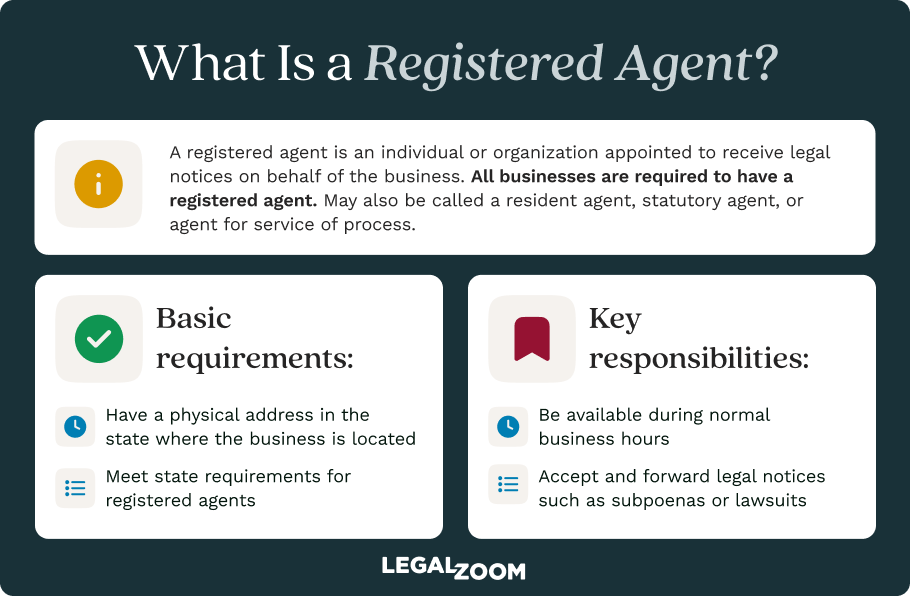
Oregon requires every LLC to continuously maintain a registered agent and registered office in the state. The agent may be an individual who resides in Oregon or an eligible business entity authorized to transact business in Oregon, and the agent’s business office must be identical to the registered office. The registered office must be a physical Oregon street address where the agent is available for service of process. The agent can receive service of process and other official business correspondence for the LLC.
Can you be your own registered agent in Oregon?
You may serve as your own agent if you are an individual with an Oregon street address where you can reliably receive service, or an entity authorized to do business in Oregon. Keep in mind, though, that names and addresses filed with the state are generally public. A registered agent service can provide its registered office in the agent field, but it does not necessarily remove every personal name or address from the rest of the filing.
What are Oregon’s registered agent address requirements?
The registered office must be a physical Oregon street address where the agent is available for service. A P.O. box alone is not sufficient. Always keep the agent and office information current with the state to avoid creating an administrative dissolution issue.
How do you change an Oregon LLC’s registered agent?
Use the Oregon Business Registry's information-change process to report a registered agent or registered office change. Oregon requires a continuously valid agent and office, so an unreported change can create a statutory ground for administrative dissolution.
Step 3: File Oregon articles of organization
The articles of organization are the state filing that establishes your Oregon LLC. Unless the articles specify a delayed effective date, the LLC exists when the Secretary of State files them.
Your articles of organization must include the following information when you file them with the Secretary of State.
- LLC name: Must include the LLC designator and be distinguishable from other active entities.
- Duration: Most LLCs run perpetually unless you set an end date.
- Registered agent and registered office: An Oregon street address where service of process can be received.
- Principal office: A physical street address for the principal executive offices; it may be outside Oregon.
- Mailing address for state notices: A separate correspondence address may be used for state notices; a P.O. box may be used when the form permits it.
- Management structure: State whether the LLC will be member-managed or manager-managed when the form asks for it.
- Person with direct knowledge: A member, manager, or authorized representative with direct knowledge of the LLC’s operations and business activities.
- Professional services: Include the required professional service information (when applicable).
- Organizer information: The person or persons signing the initial articles; an organizer does not have to be a member.
The registered office and principal office are street-address fields. A separate mailing address may be used for correspondence and state notices.
The articles are the core state formation filing. Review each field carefully before you submit them, especially the name, registered office, principal office, management structure, and direct-knowledge information.
What Oregon LLC information becomes public record?
Oregon business filings are generally public through the Oregon Business Registry. The filing may show the LLC name, registered agent and office information, management structure, organizer information, principal office, and other required fields. A registered agent service can limit the address used in the registered agent field, but it does not guarantee that other required names or addresses will stay off the public record.
How can you file your Oregon articles of organization?
You can file online or in person, depending on your needs.
- Filing online. At the Oregon Business Registry, create an account and keep the credentials for future filings. Complete the articles of organization and pay the $100 fee through the portal. Online registration is generally the fastest option, generally with same-day or next-business-day processing.
- Filing by mail or priority delivery. Mail to: Secretary of State, Corporation Division, 255 Capitol St. NE, Suite 151, Salem, OR 97310-1327. Oregon permits payment by check or by credit card with the state’s credit-card cover sheet. Allow 7–10 days for mail delivery before processing. FedEx or UPS overnight and second-day submissions receive priority handling and are processed within 2–3 business days; USPS Priority and Express Mail receive regular handling.
Step 4: Create an Oregon LLC operating agreement
Once the Secretary of State files the articles, the LLC exists, unless a delayed effective date applies. The operating agreement then documents how the owners will govern and operate the company.
Is an operating agreement legally required for an Oregon LLC?
No. Oregon does not require one to be filed, and the agreement may be written or oral. A written agreement can document ownership, contributions, management authority, voting, distributions, transfers, dispute handling, and dissolution. Without a written agreement, Oregon’s default rules may not reflect the owners’ intended arrangement. LegalZoom can help you put an operating agreement together.
A lender or other counterparty may request a written agreement, but it is not universally required to open a bank account, and it does not by itself maintain the LLC’s liability protection.
What should an Oregon LLC operating agreement include?
At a minimum, consider including the following in your operating agreement:
- Ownership percentages and profit/loss allocation
- Management structure (matching your articles of organization)
- Voting rights and decision-making thresholds
- Capital contributions and rules for additional contributions
- Buyout and exit terms
- Dissolution procedures
Single-member LLCs can benefit from a written agreement too, as it records the separation between the owner’s personal affairs and the LLC’s business records.
Step 5: Get an EIN and register for Oregon taxes
After your Oregon LLC is formed, determine whether federal rules require an employer identification number (EIN) and which Oregon tax or employer registrations apply. These requirements are separate from the articles of organization and depend on your LLC’s ownership, tax classification, employees, and Oregon commercial activity.
A single-member LLC classified as a disregarded entity generally does not need its own EIN if it has no employees or excise-tax liability. However, the IRS says most new single-member LLCs obtain one, and an EIN may be needed to open a bank account or satisfy state tax requirements. An LLC with employees or certain excise-tax obligations must use an EIN for applicable federal reporting. You can apply directly with the IRS or use LegalZoom’s EIN service to fill out and submit the application for you.
When does a single-member Oregon LLC need an EIN?
A single-member LLC that is disregarded for federal tax purposes generally does not need an EIN if it has no employees or excise tax obligation. It may still obtain one for banking, privacy, or other business-administration reasons.
When does an Oregon LLC need to register for the Corporate Activity Tax (CAT)?
Oregon has no general state sales tax, but CAT registration is separate. Register within 30 days after realizing $750,000 in Oregon commercial activity for the year. A payment obligation generally begins only when taxable Oregon commercial activity exceeds $1 million: $250 plus 0.57% of the amount over $1 million. Estimated payments are conditional, including when expected CAT liability is at least $5,000.
What payroll registrations does an Oregon employer need?
Hiring employees may require Oregon withholding registration with the Department of Revenue and unemployment insurance registration with the Oregon Employment Department. Check both agencies’ requirements before the first payroll.
Step 6: Check Oregon business license and permit requirements
Oregon has no general statewide business license, but filing articles of organization does not by itself authorize every activity. Check state industry and professional requirements, then check city, county, zoning, building, health, and home business requirements that apply to your location and activity. You can also check out LegalZoom's guide to how to get an Oregon business license.
How do Oregon city and county requirements vary for an LLC?
Local requirements depend on where and how the business operates. Check the city and county, plus zoning, building, health, and home occupation rules before opening.
- Portland and Multnomah County: Business tax registration and filing depend on where and how the business operates, applicable exemptions, and registration deadlines. Review the Portland Revenue Division’s guidance rather than assuming one rule applies to every business.
- Salem: The city says certain types of businesses need a license; home-based businesses should check the applicable license, zoning, and home business guidance.
- Eugene: Requirements depend on the activity and location; review the city’s current license guidance.
Home-based businesses often still need zoning approval or a home occupation permit. Check both city/county requirements and profession-specific state requirements separately.
Starting a business takes courage. LegalZoom makes sure the legal details don’t stand in your way, from the day you register until the day you retire.

Oregon LLC filing fees and total cost breakdown
The required state filing cost to form a domestic Oregon LLC is $100. Other costs depend on choices such as reserving a name, using an assumed business name, hiring a registered agent, filing as a foreign LLC, requesting optional services, delivery and payment methods, or obtaining local licenses and permits.
| Cost item | Fee | When you pay it |
|---|---|---|
| Articles of organization (domestic LLC) | $100 | At initial filing |
| Annual report | $100 | Every year, on your LLC's formation anniversary |
| Name reservation (optional, 120-day hold) | $100 | Only if reserving a name before filing |
| Assumed business name (optional) | $50 | If operating under a different name; renews every two years |
Oregon LLC annual report and ongoing compliance requirements
Forming your Oregon LLC is only the first compliance step. Keep the annual report, registered agent information, tax registrations, licenses, and other recurring obligations on a calendar so the LLC remains in good standing.
Due date and fee
Your annual report is due every year on the anniversary of the original filing. The state fee for a domestic Oregon LLC is $100, payable through the Oregon Business Registry. Your first report is due the following year. Use the original filing date, not a later approval or notice date, to set the recurring deadline.
The Secretary of State says it sends a reminder about 45 days before the due date, but maintain your own calendar and keep the registered agent and mailing information current. For more information read LegalZoom's guide to how to file your Oregon LLC annual report.
Consequences of missing it
Failure to file an annual report when due is a statutory ground for administrative dissolution. If the Secretary of State determines that a dissolution ground exists, it must give written notice. The LLC then has 45 days after notice to correct each ground or show that the ground does not exist. An administratively dissolved LLC continues to exist but may generally act only to wind up and liquidate its affairs and notify claimants. Reinstatement is generally available within five years from the dissolution date, subject to the statutory application requirements and any limited waiver process.
The risks of filing an Oregon LLC yourself
Filing without professional help can be manageable, but Oregon’s state-specific requirements create avoidable risks. Review these points before submitting the articles.
- Using the wrong address: Oregon distinguishes the registered office, principal office, and mailing address. A mismatch can delay a filing, lead to a correction or refusal, or create an inaccurate public record.
- Letting registered agent coverage lapse: An unreported change or gap in coverage can create a statutory ground for administrative dissolution.
- Assuming formation covers every requirement: A formation filing does not replace conditional CAT, payroll, professional license, permit, zoning, or local business tax registrations.
- Operating under a different name without registration: An assumed business name is required when the business operates under a name different from the LLC’s legal name, and it renews separately.
- Missing the annual report deadline: Failing to file on time can lead to administrative dissolution after the state’s written notice and 45-day correction period.
Start your Oregon LLC with LegalZoom
An Oregon LLC filing has several details to get right, including the registered office, principal office, mailing address, and management structure. Formation also doesn’t replace the annual reports, tax registrations, or local licenses that may apply later. LegalZoom can prepare and submit your Oregon articles of organization, provide registered agent services, and help you put together an operating agreement. It can also obtain your EIN and help you research the licenses and permits your business may need. Ready to get started? Explore LegalZoom’s Oregon LLC formation service.
Find the right state to form an LLC
Find the right state to form an LLC
Every state has different rules, costs, and considerations for LLC formation.


Oregon LLC FAQs
Can you form an Oregon LLC by yourself?
Yes. Oregon law allows one or more persons to form an LLC, so one person can be the sole member. The same person can act as the organizer and member, although an organizer does not have to be a member.
Can a nonresident form an Oregon LLC?
Yes, generally. Oregon does not require an LLC member to live in the state, but the LLC must maintain a registered agent and registered office at a physical Oregon street address. If the business is actually operating in another state, check whether it also must qualify there.
What are the requirements for foreign LLCs operating in Oregon?
A foreign LLC is one formed under another state's or country's laws. It generally needs Oregon authority before transacting business here, but the test is fact-specific. A physical office, Oregon employees, or recurring Oregon contracts may be relevant facts; passive activities such as maintaining a bank account or attending an occasional trade show may not, depending on the circumstances. Review Oregon's foreign LLC guidance for the business' actual activities.
How do you check the status of an Oregon LLC filing?
Log in to the Oregon Business Registry and open your Worklist to track the filing. The Secretary of State says a check mark appears when the filing is completed; you can also search the business registry to confirm that the entity record is available.
Why isn’t my Oregon LLC filing completed immediately?
The Oregon Corporation Division reviews a registration before completing it. For an online filing, that review typically begins within one business day. If the state identifies an error, the Oregon Secretary of State Business Registry sends an email with instructions and a link to correct the filing. After you correct the errors, you can resubmit without paying an additional fee.
How do you update an Oregon LLC’s public record after formation?
Use Oregon’s Information Change process to update the LLC’s office, registered agent, officer, member, manager, or address information. You can submit the change online through the Oregon Business Registry or use the paper information change form. During the renewal period, you can report applicable changes on the annual report. To change the entity’s name, file articles of amendment.
'%20/%3e%3c/svg%3e)

'%3e%3cpath%20fill-rule='evenodd'%20clip-rule='evenodd'%20d='M9.31239%2025.5316H13.0679V14.1032H9.31239V25.5316ZM11.1913%208.46875C9.93945%208.46875%209%209.25086%209%2010.505C9%2011.5995%209.78211%2012.5389%2011.1913%2012.5389C12.6005%2012.5389%2013.3826%2011.5995%2013.3826%2010.505C13.3826%209.4082%2012.6005%208.46875%2011.1913%208.46875ZM27%2018.9577V25.5316H23.2445V19.4275C23.2445%2017.8609%2022.6174%2016.7664%2021.3679%2016.7664C20.2711%2016.7664%2019.644%2017.5463%2019.3316%2018.1756C19.1743%2018.488%2019.1743%2018.8004%2019.1743%2019.1128V25.5316H15.4165V13.9458H19.1743V15.5123C19.644%2014.7302%2020.5835%2013.6357%2022.6174%2013.6357C25.1234%2013.7908%2027%2015.3573%2027%2018.9577Z'%20fill='white'/%3e%3c/g%3e%3cdefs%3e%3cclipPath%20id='clip0_952_9489'%3e%3crect%20width='18'%20height='18'%20fill='white'%20transform='translate(9%208)'/%3e%3c/clipPath%3e%3c/defs%3e%3c/svg%3e)